About
The Story of Our Parish
The story of St. Andrew’s Parish reflects the resilience and rebirth of Dublin’s Catholic community. The modern parish was first constituted around 1750, uniting the traditions and spiritual heritage of four historic, pre-Reformation medieval parishes: St. Andrew, St. Mark, St. Peter, and St. Anne.
From Townsend Street to Westland Row
Before making Westland Royw our permanent home, our parishioners worshipped quietly at an unassuming penal-era chapel tucked away on nearby Townsend Street. Following the historic passage of the Catholic Relief Act of 1829 (Catholic Emancipation), Dublin Catholics were at last granted the freedom to build prominent public houses of prayer. With renewed hope and community purpose, the parish set out to establish a central, dignified place of worship in the heart of the city.
Building St. Andrew’s (1832–1837)
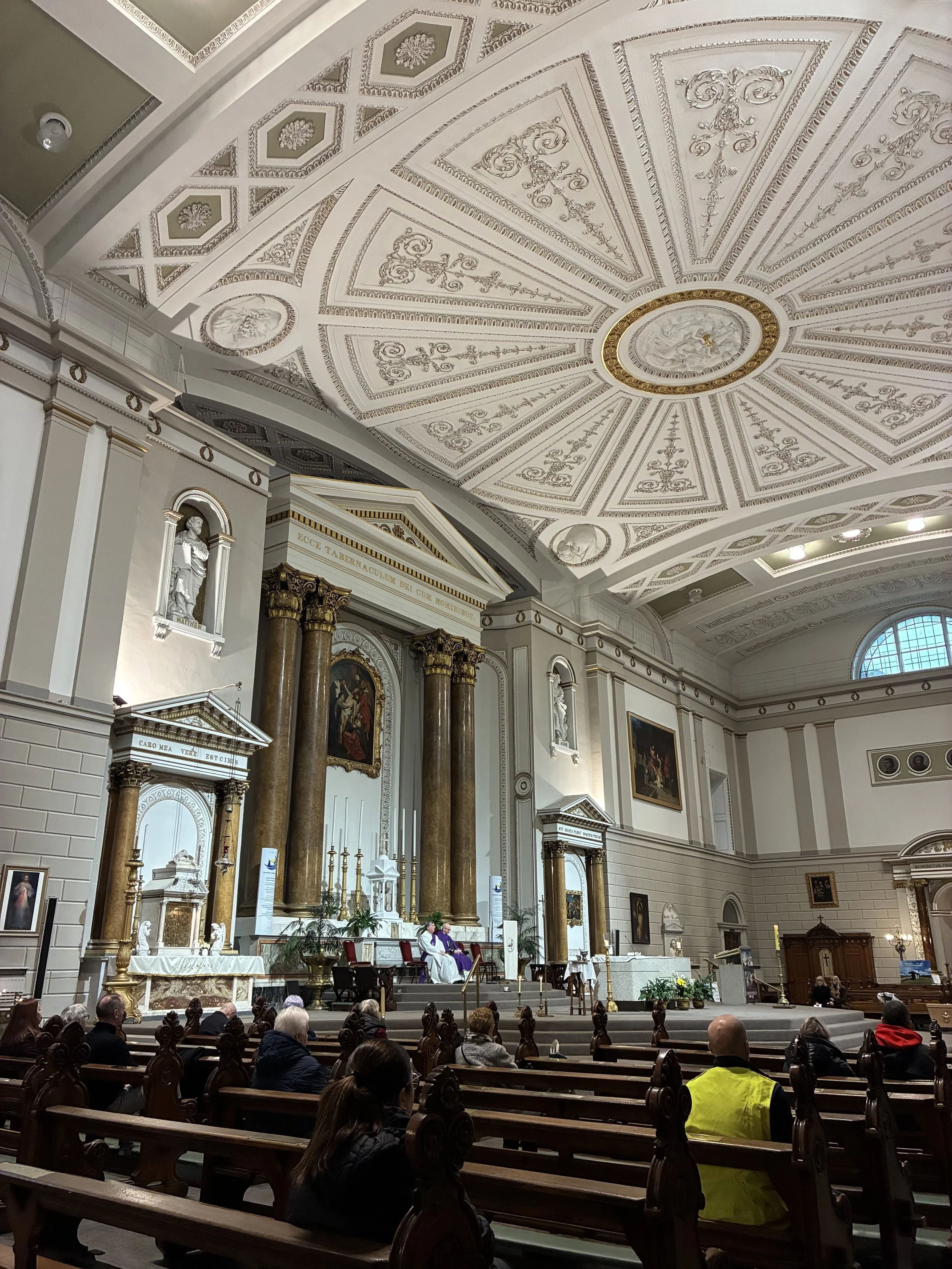
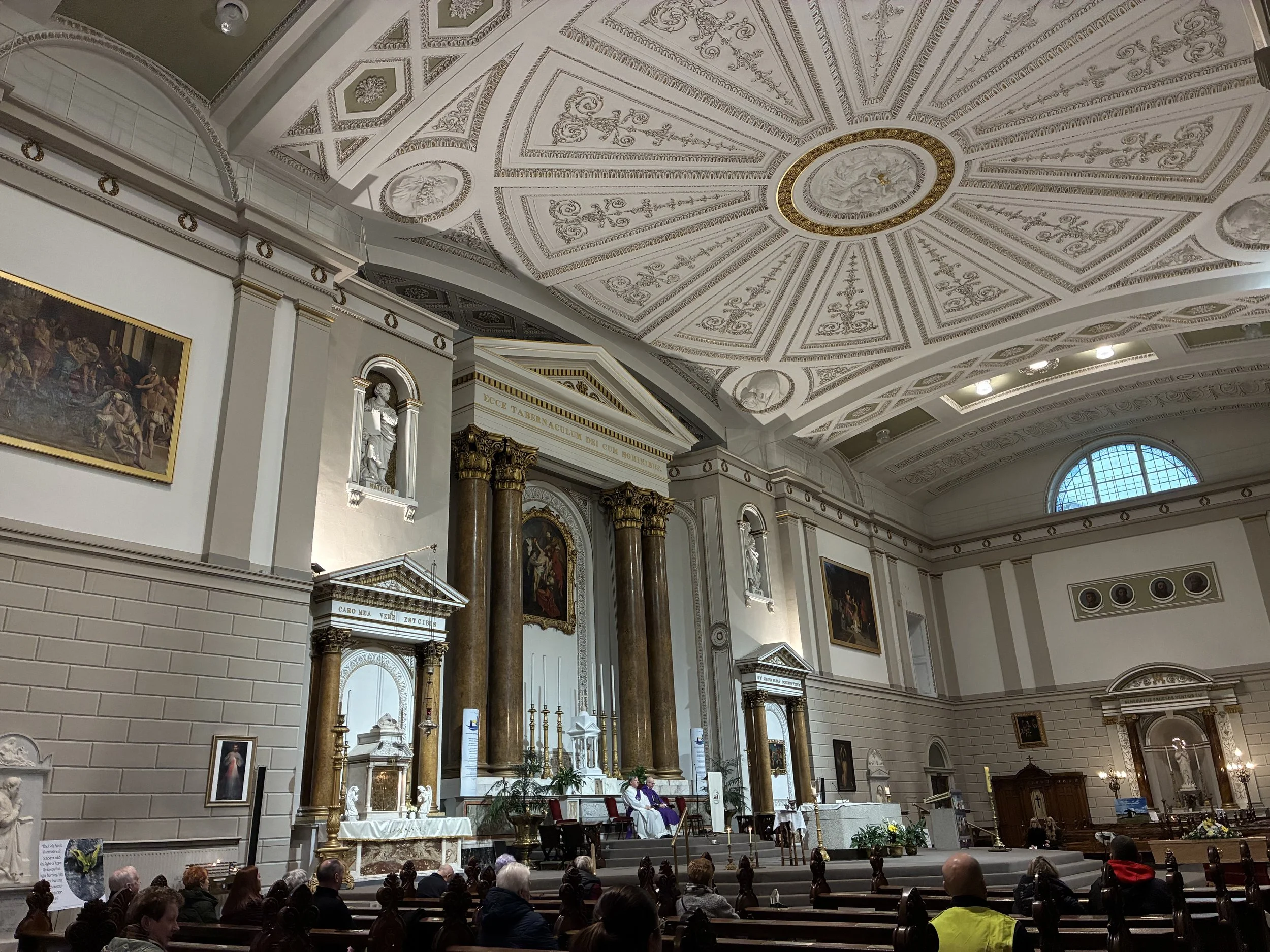
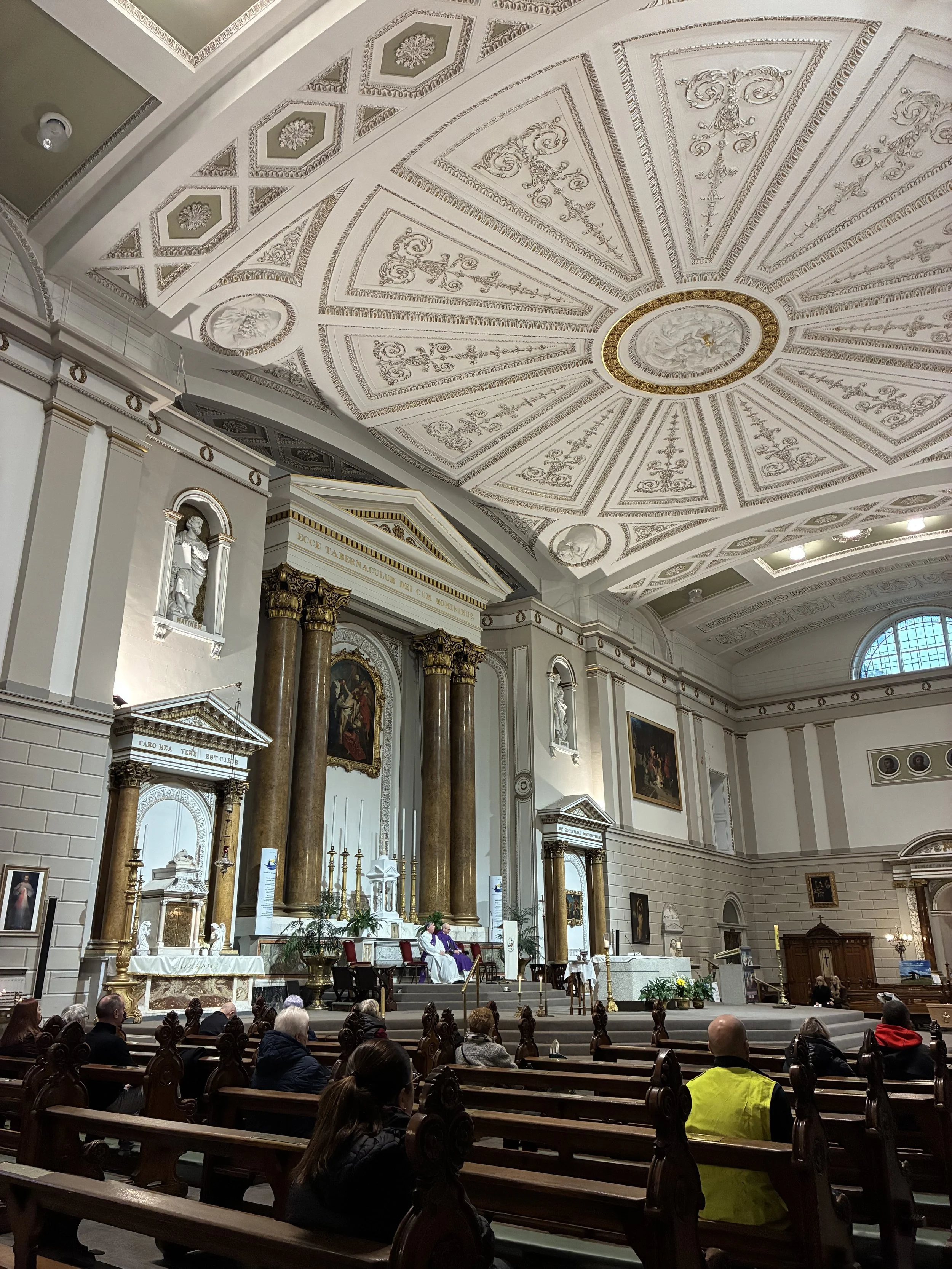
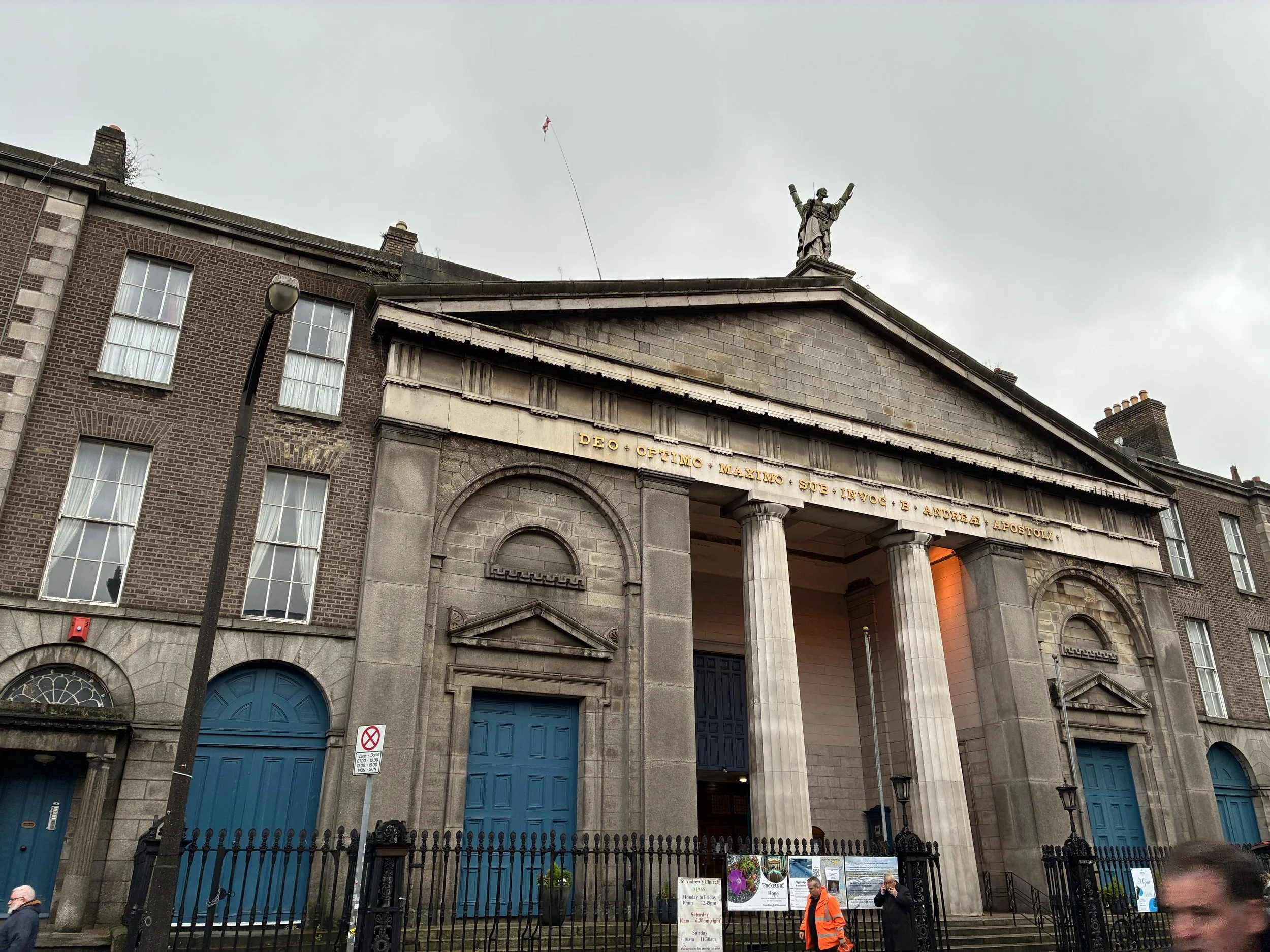
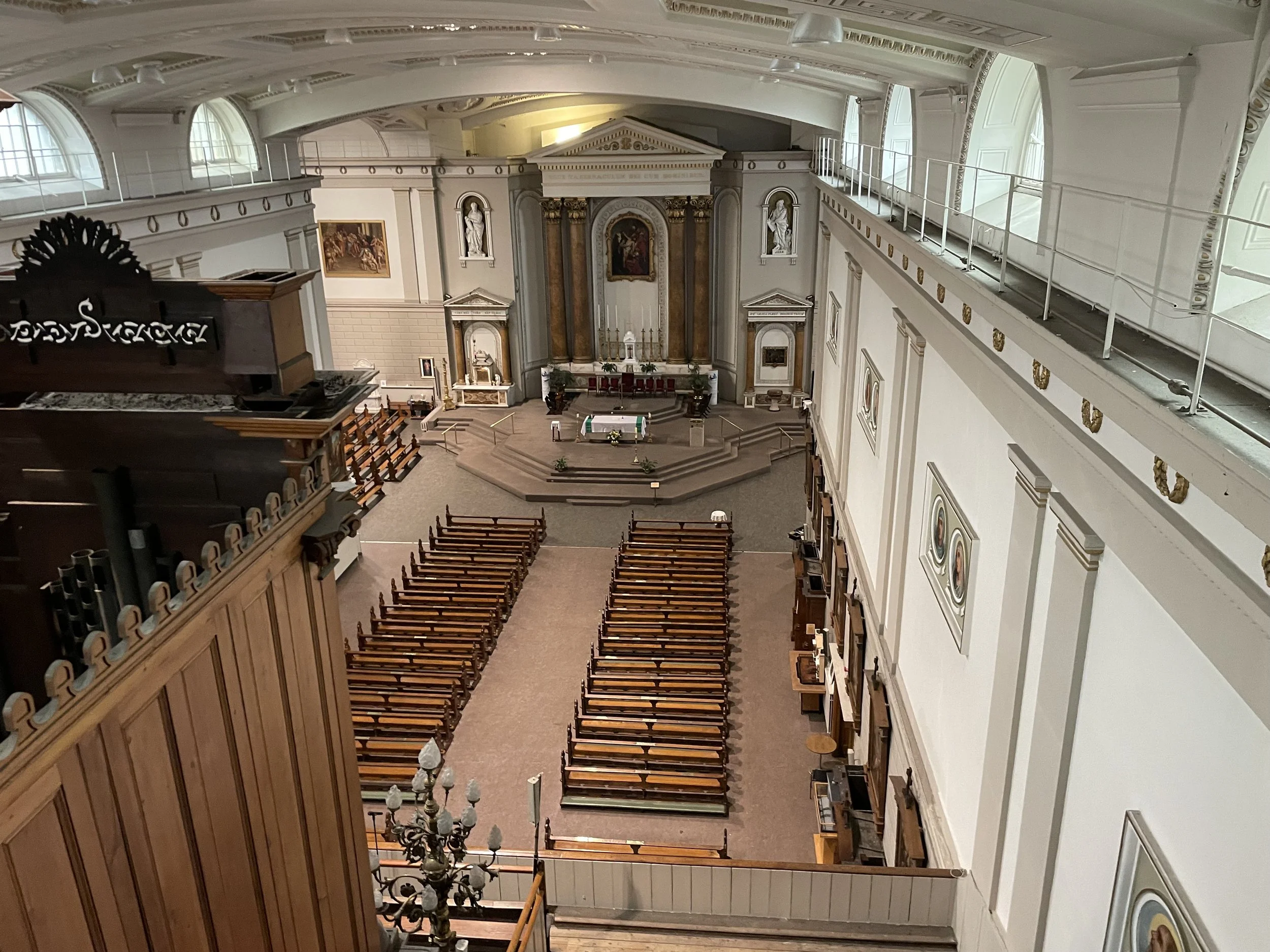
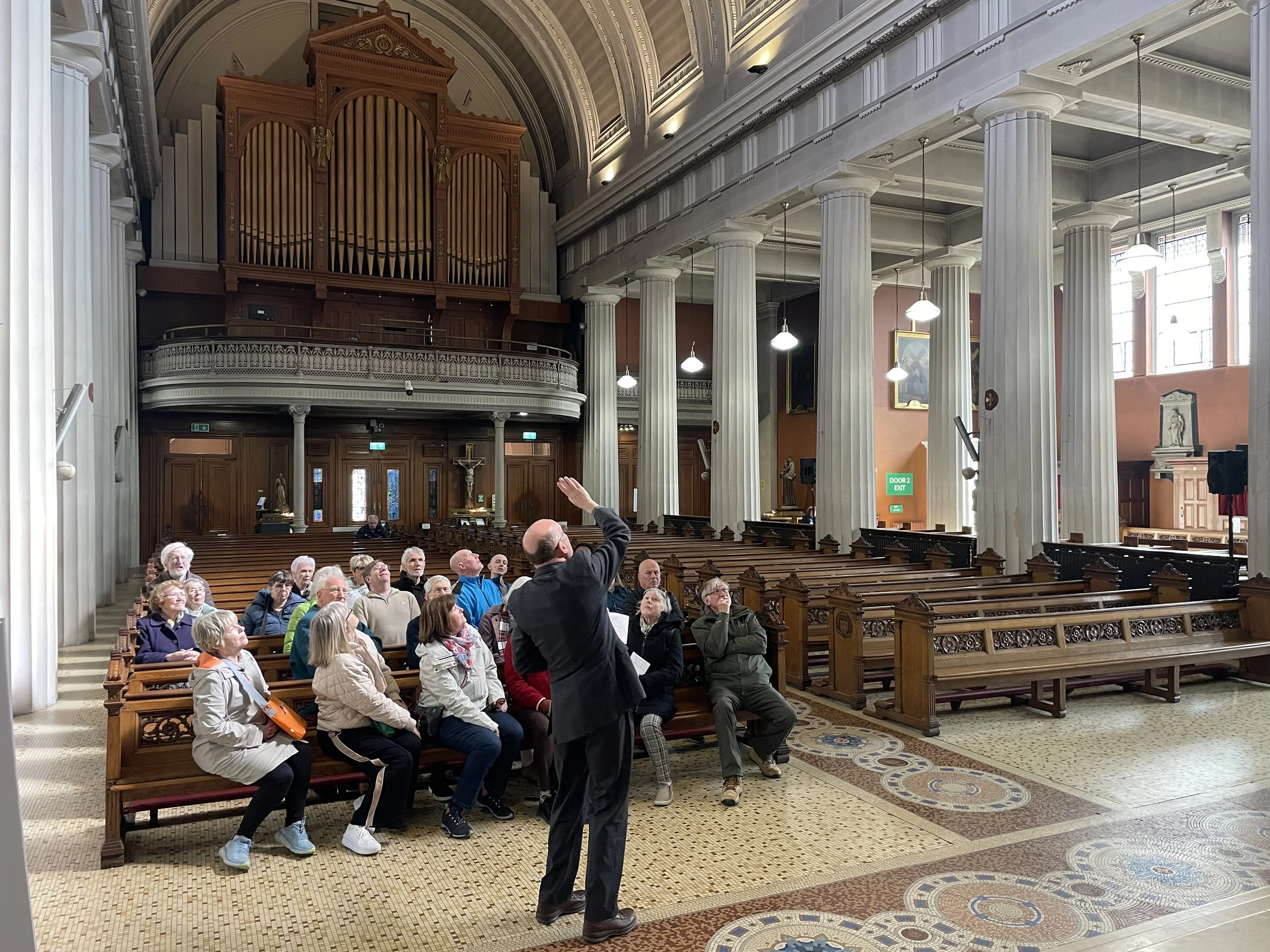
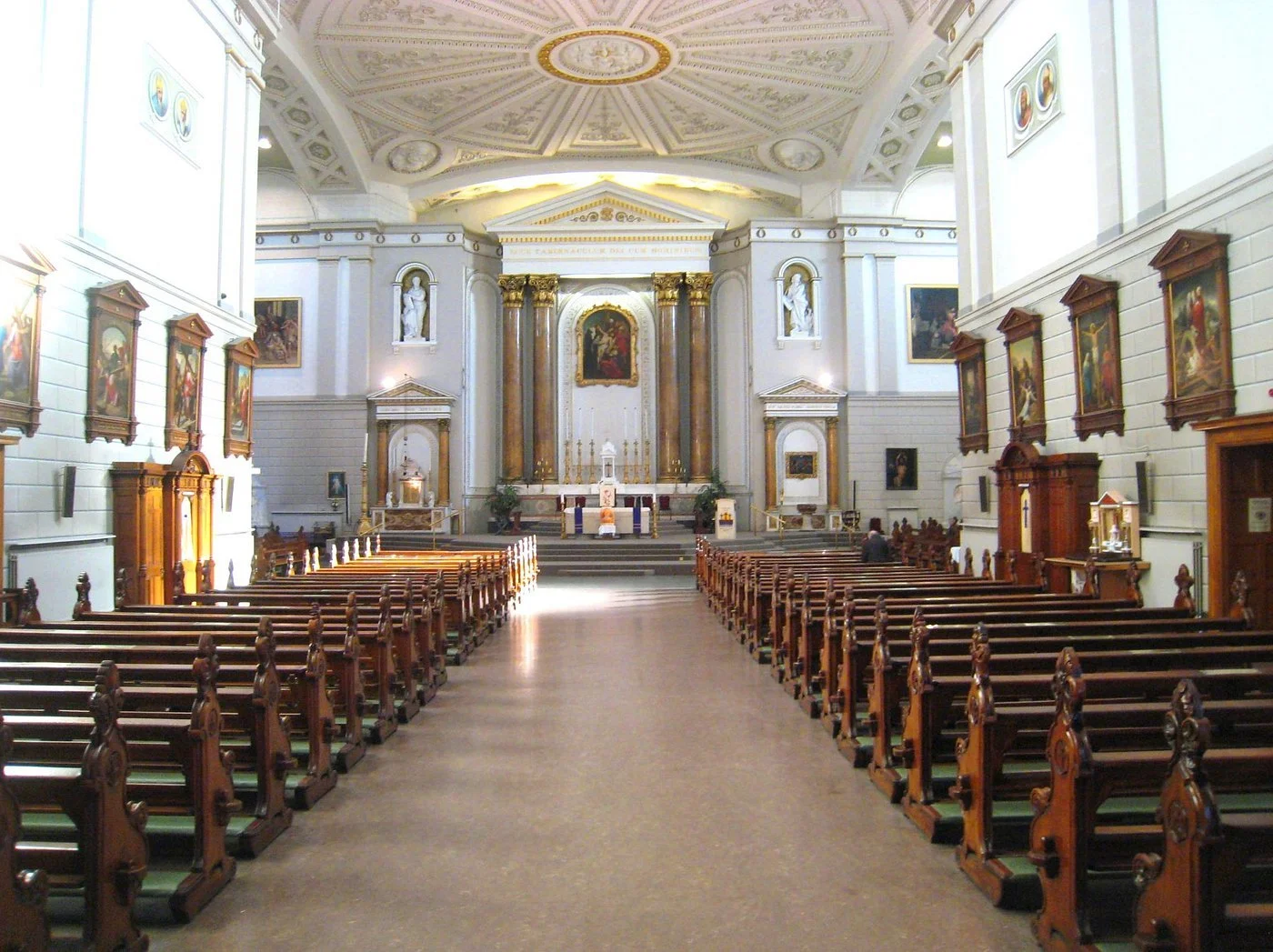
Under the leadership and vision of Father Michael Blake, foundation work on Westland Row began in 1832. The church first opened its doors for public worship in January 1834 and was completed in 1837. With its sweeping neoclassical design and welcoming presence, St. Andrew’s quickly grew to become one of the most vibrant, fashionable, and influential centres of Catholic life in Dublin—a living tradition of faith, community, and service that continues today.
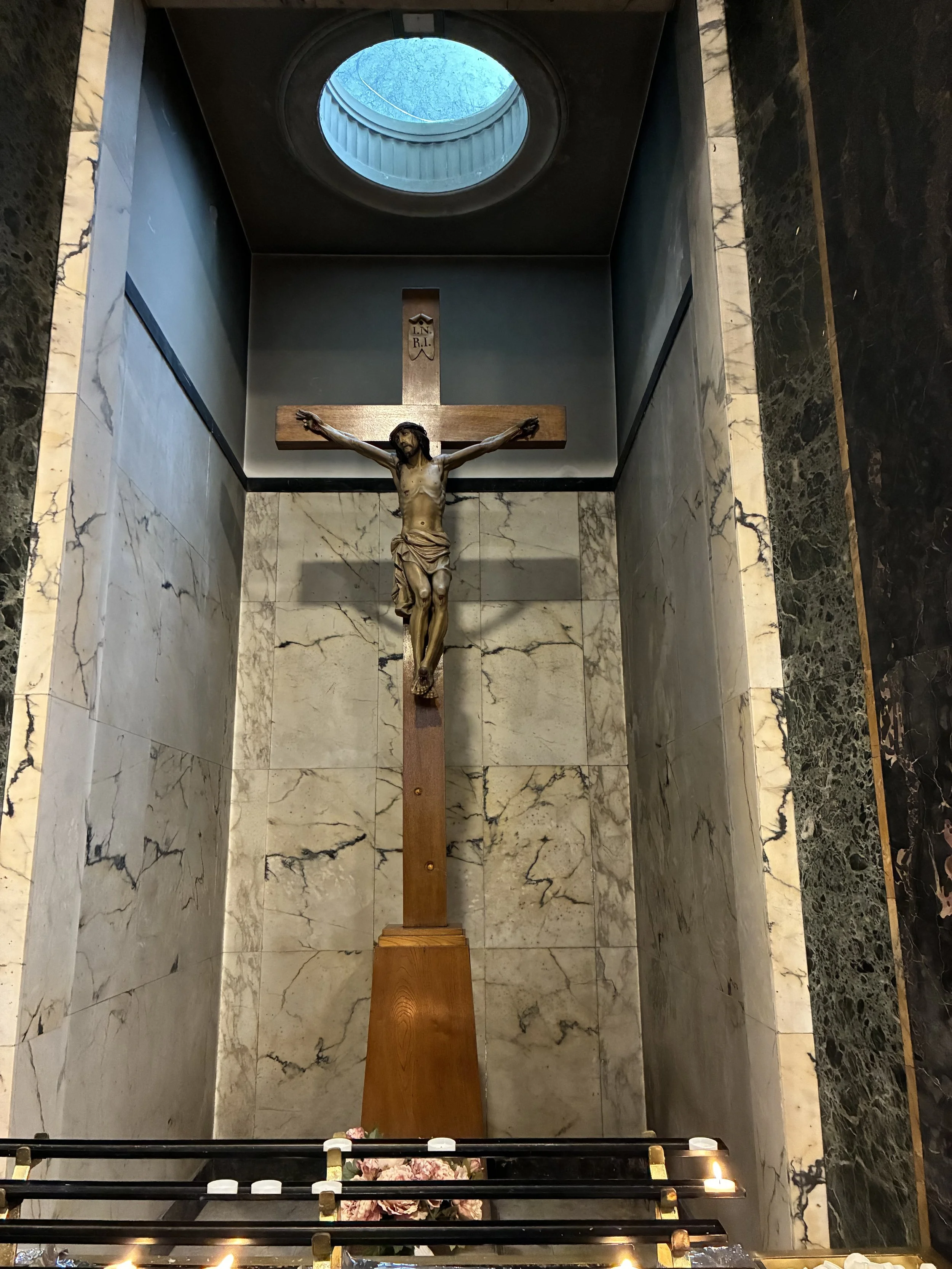
People visit each week to attend daily Mass, light a candle, or simply find a quiet moment away from the bustle of the city.